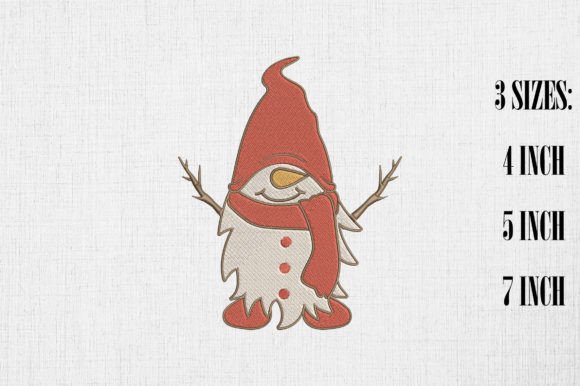
Snowman Gnome: A Festive Embroidery Design for Craft Fairs
First Impressions and Design Appeal
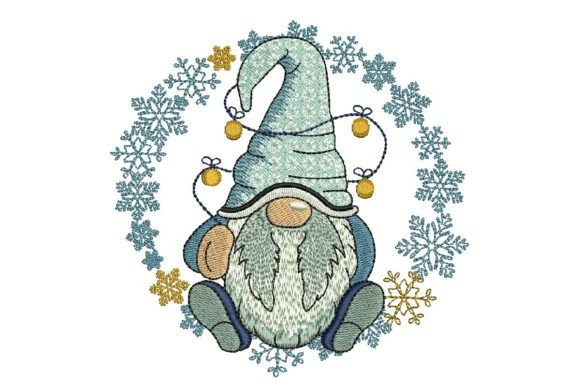
The Snowman Gnome design immediately brings a sense of charm and holiday cheer. It strikes the perfect balance between cute and festive, with a whimsical twist that makes it stand out from generic Christmas motifs. The name itself — blending snowmen and gnomes — hints at something playful yet cozy, which is exactly what many customers are looking for in handmade products during the holiday season.Performance on Craft Fair Products
- Tote Bag Design: On a medium-sized tote bag, the design felt just right — not too big, but still eye-catching. It worked especially well on natural cotton or linen fabrics, giving off a premium look.
- Apron Embroidery: Placed near the waistband or pocket area, it added a subtle festive touch without overwhelming the practicality of the apron. This is great for attracting older craft fair shoppers who appreciate homey holiday décor.
- Tea Towel Embroidery: As a central motif, it looked adorable and brought a cheerful energy to the kitchen. The design was easy to photograph well for online Etsy listings, making it a strong contender for digital sellers.
- Embroidered Patch: When stitched as a patch, Snowman Gnome became a fun accessory that could be sewn onto jackets, bags, or even denim. It had enough detail to feel special but wasn't overly complex.
- Fabric Pouch and Pillow Covers: These were among the best displays for the design. The softness of the fabric paired nicely with the gentle curves of the gnome and snowman features. They also made excellent booth samples for customer interaction.
- Market Bags and Caps: The design performed better on flat market bags than on curved cap surfaces due to the intricate elements. For caps, I recommend placing it toward the top center rather than wrapping around the brim.
Visual Impact and Customer Engagement
The design’s ability to blend into multiple themes (from farmhouse to cozy winter) allows it to fit seamlessly into a wide range of booth styles. Whether you're selling handmade gifts or commercial embroidery products, Snowman Gnome adds a layer of personality that can elevate your brand consistency and give your table a cohesive, curated appearance.Practical Production Considerations
Size Flexibility: One of the strengths of this design is its versatility in size. You can scale it down for a small accent on a pouch or stitch it larger as a focal point on a pillow cover. Just be mindful that very small sizes may lose some of the finer details, such as facial expressions or tiny accessories.
Stitch Density and Thread Colors: There are a few dense areas in the design, particularly around the hat and face, which might require careful handling. I recommend checking stitch density on scrap fabric before committing to a full batch. Also, the description doesn’t specify thread colors, so I advise experimenting with different palettes to find the most appealing combination for your product line.
Hoop Size and Stabilizer Use: Since hoop size isn't listed, it's important to confirm compatibility with your machine. Thicker or textured towels may need extra stabilizer to prevent puckering, especially in the denser parts of the design. Always test on similar fabric textures before moving into mass production.
Careful Use Notes for Best Results
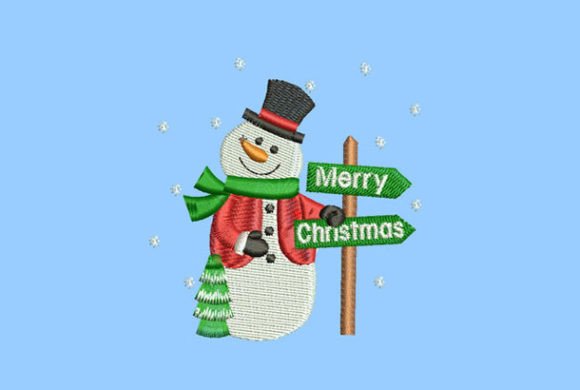
- Watch for tiny details like the snowman’s buttons or the gnome’s beard — these may not show up clearly if scaled too small or used on dark fabric.
- On thick or textured fabrics, the design may require additional preparation to avoid distortion. A light-weight tear-away stabilizer often helps maintain shape and clarity.
- For curved surfaces like caps, use a cap-specific hoop and adjust the placement carefully to ensure the design sits correctly and looks balanced.
- Dark fabric can mute the vibrancy of the design, so opt for lighter, pastel tones to highlight the machine embroidery design’s charm.
Design Assets and Licensing
The design comes with multiple embroidery file formats, which is a big plus for any digital embroidery file user. It’s essential to review the licensing agreement before offering finished products for sale, especially if you plan to expand beyond personal use or limited quantities. Commercial embroidery requires proper permissions, and ensuring legal compliance is crucial for long-term sales success.Booth Display and Market Readiness
In my experience, the design shines brightest on items like tea towels, fabric pouches, and pillow covers. These are not only visually appealing but also have high repeat value for craft fair sellers and handmade shop owners. Plus, they’re easy to transport and display, which is key for maximizing space at a weekend event.Final Designer Tips Before Launch
- Test on Scrap Fabric: Try stitching it on various materials to see how it reacts to different textures and weights.
- Review Thread Contrast: Choose thread colors that pop against your chosen fabric. Avoid muted shades unless you're going for a softer look.
- Confirm Hoop Size: Make sure your hoop fits the entire design comfortably, especially if you plan to do large-scale versions.
- Inspect Stitch Density: Adjust tension or add stabilizer in dense areas to avoid pulling or distortion.
- Create Real Mockups: A physical sample can reveal issues that aren’t visible in digital previews.
- Compare Fabric Colors: Some fabrics may absorb dyes differently, affecting the visibility of the design. Test on all intended colors.
- Check Licensing: If you're planning to sell this as part of your commercial embroidery line, confirm the terms of the digital embroidery file license.