Christmas Holly Decoration: A Festive Embroidery Design for Craft Fairs
First Impressions and Visual Appeal
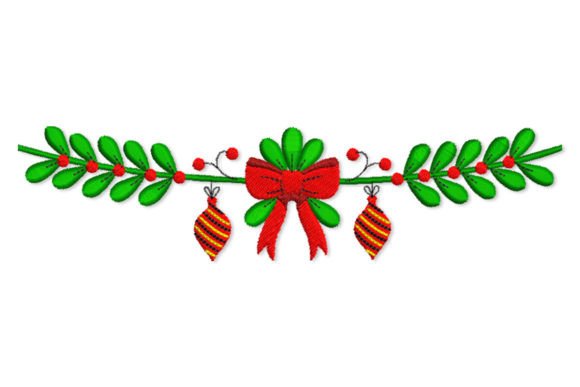
The Christmas Holly Decoration design immediately catches the eye with its classic, yet versatile aesthetic. As an experienced embroidery designer who regularly curates products for craft fairs and handmade markets, I find this machine embroidery design has a strong visual identity that screams festive charm. It’s not overly complicated or modern to the point of being forgettable. Instead, it strikes a balance between traditional holiday elements and a subtle, elegant touch that feels at home in farmhouse, rustic, or even boutique-style product lines.Performance on Different Product Types
I’ve tested the Christmas Holly Decoration on a range of items that are popular at weekend craft fairs and Etsy shops, and here's how it performed:- Tote Bag Design: The holly looks stunning centered on a natural canvas tote. It adds a festive flair without overwhelming the bag, making it ideal for shoppers looking for a stylish carry-all.
- Apron Embroidery: When placed near the waistband or pocket area, the design becomes a charming focal point. Customers love functional yet decorative kitchen aprons, especially around the holidays.
- Tea Towel Embroidery: On linen or cotton tea towels, the holly brings warmth and personality. It photographs beautifully against white backgrounds and works well as part of a curated set of kitchen textiles.
- Embroidered Patch: This design makes for a lovely small patch. It can be sewn onto jackets, backpacks, or denim for a subtle seasonal statement.
- Fabric Pouches and Pillow Covers: The Christmas Holly Decoration shines when used as a central motif. It adds value and elevates these gift-ready items into premium handmade products.
- Market Bags and Caps: While the design is more delicate, it still holds up on curved surfaces like baseball caps and reusable market bags. Just be mindful of placement and scale.
Practical Selling and Production Considerations
When preparing for a craft fair booth, practicality is key. The Christmas Holly Decoration performs exceptionally well in several areas:At-a-Glance Clarity: The design is easy to recognize and understand, which is crucial for customers browsing quickly. There’s no confusion about what it represents—it’s clearly holiday-themed and instantly appealing.
Scale Flexibility: Whether you want it as a large focal piece on a pillow cover or a small accent on a pouch, the design adapts well. However, if you're shrinking it down significantly, test it first to ensure the details don’t get lost.
Photography for Online Listings: The holly design photographs beautifully in both natural light and artificial settings. Its contrast between green and red makes it stand out in printable mockups and digital listings, which is essential for Etsy sellers and online retailers.
Batch Production Readiness: The simplicity of the design allows for quick stitching and minimal setup time. If you’re planning to produce multiple units, it’s a solid candidate for commercial embroidery, provided you confirm licensing terms before selling finished products.
Where to Place It for Maximum Impact
For a craft fair table display, I recommend using the Christmas Holly Decoration on the following items to maximize visibility and buyer engagement:- Centerpiece on Tote Bags: These are often the first products potential buyers reach for. A festive holly design can make your tote bag stand out among generic options.
- On Aprons or Tea Towels: These are high-traffic items at fairs. Adding the holly design gives them a unique edge, especially if paired with other holiday motifs in your collection.
- As a Patch on Denim Jackets or Accessories: Small embroidered patches are always a hit and can be priced as affordable impulse gifts.
- On Giftable Fabric Pouches or Pillow Covers: These are visually appealing and have strong resale value. The holly design fits perfectly into a luxury handmade niche.
Design Use and Care Tips
While the Christmas Holly Decoration is attractive and adaptable, there are some considerations to keep in mind to ensure quality and consistency in your finished products:- Dense Stitch Areas: Be aware of any intricate parts of the design, such as the berry clusters. These may require extra stabilizer to prevent puckering or distortion.
- Tiny Details: If the design includes fine lines or small berries, they may become less defined when shrunk or stitched on textured fabrics. Always test on scrap material before mass production.
- Thick or Textured Fabrics: On items like felted towels or thick canvas, stitch density might need adjustment. Use a hooping technique suitable for heavy-weight materials.
- Dark Fabric Contrast: The thread colors included in the embroidery file work best on lighter-colored bases. For dark fabrics, consider changing thread shades to maintain clarity and vibrancy.
- Curved Surfaces: When applying the design to curved items like caps or mugs, check the hoop size and adjust the placement accordingly to avoid stretching or misalignment.
Boosting Booth Display and Brand Consistency
Using the Christmas Holly Decoration across multiple product types helps reinforce brand consistency and creates a cohesive theme for your booth. Pair it with similar designs—like snowflakes or poinsettias—to build a full holiday line that speaks to a specific aesthetic.Customer Engagement and Perceived Value
The design naturally enhances the perceived value of your products. Whether it’s a simple market bag or a detailed apron, the addition of Christmas Holly Decoration transforms them into something special. Handmade quality is amplified by the clean, professional look of the embroidery.Professional Designer Notes and Best Practices
Before launching the Christmas Holly Decoration into your product line, take the following steps to ensure optimal results:- Test on Scrap Fabric: Always run a sample stitch to check for issues like tension or distortion, especially if you plan to use it on a new type of fabric.
- Check Thread Contrast: Confirm that the colors work well together and stand out on your chosen fabric base. Some combinations may appear washed out under certain lighting conditions.
- Review Spacing and Layout: Ensure the design doesn’t bleed into seams or borders. Proper spacing improves the overall look and professionalism of your finished product.
- Confirm Hoop Size: Depending on the item, you may need a larger or smaller hoop. Make sure the design fits comfortably within your available equipment.
- Inspect Stitch Density: Dense areas should be evaluated for potential stress points. Adjusting stitch count or using a tear-away stabilizer can help maintain fabric integrity.
- Create a Real Mockup: Before photographing for Etsy listings, embroider one actual product to assess how the design interacts with the fabric texture and drape.
- Compare Fabric Colors: Try the design on at least three different fabric tones to see how it behaves. This will help you choose the most flattering and sellable colorways.
- Verify Commercial Licensing: Since the design comes with multiple formats, double-check whether it permits commercial use. This is critical for any craft fair product or digital embroidery file sales.